
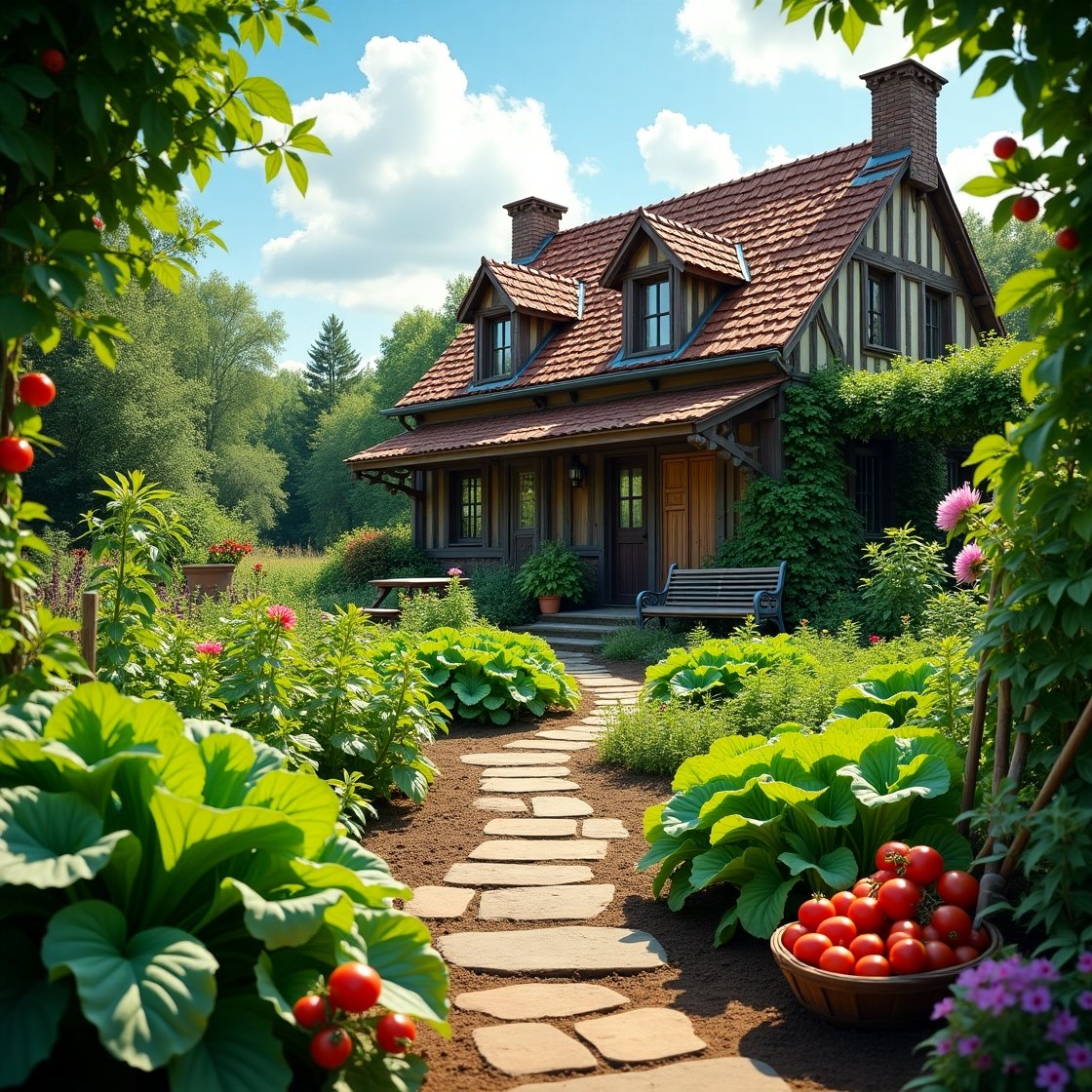
Building an organic vegetable garden (or kitchen garden) in your chácara, sítio, or countryside retreat is more than just a hobby — it’s a lifestyle choice. A well-planned garden can provide you with fresh, healthy produce, reduce your grocery bill, create beautiful scenery, and give you a deeper connection with the land.
This complete guide will show you how to start, design, and maintain an organic garden that is not only productive and sustainable but also aesthetic and enjoyable to manage year-round.
1. Define the Purpose and Scale of Your Garden
Start by asking: What do I want from this garden?
Your organic garden can be:
- A small herb patch for everyday cooking
- A kitchen garden with a variety of vegetables
- A large food production system to feed your family
- A decorative edible garden combining aesthetics and function
Deciding your goals helps determine the garden’s size, design, and resources.
✅ Pro tip: Start small and grow over time. It’s better to expand than be overwhelmed at the beginning.
2. Choose the Ideal Location
An organic garden needs:
- At least 6 hours of sunlight per day
- Access to good water supply
- Wind protection, especially for leafy greens
- Well-drained soil to avoid waterlogging
Look for a spot that’s close to the kitchen, visible from the house (you’ll use it more!), and easy to access even in bad weather.
3. Test and Improve Your Soil Naturally
Healthy soil is the foundation of an organic garden.
Steps:
- Test your soil for pH, nutrients, and texture (DIY kits or local labs).
- Add organic compost (homemade or purchased) to increase fertility.
- Improve drainage with sand if the soil is heavy clay.
- Use aged manure or worm castings for extra nitrogen.
- Include mulch layers (straw, dry leaves, or grass) to retain moisture.
Never use chemical fertilizers or synthetic soil amendments in an organic system — they destroy long-term soil health.
4. Decide Between Raised Beds, Ground Rows, or Pots
Your planting method depends on space, mobility, and style.
Options:
- Raised beds (wooden or brick borders) help organize space and improve soil.
- Ground rows are ideal for large gardens and require less building effort.
- Pots and containers are great for herbs and smaller plants.
- Use vertical structures like trellises for climbing crops (beans, tomatoes, cucumbers).
Raised beds are visually appealing, easier to manage, and allow for better soil control — perfect for a decorative organic garden.
5. Plan What to Grow and When
Your planting calendar will depend on your region’s climate and seasonal cycles.
Best crops for beginners:
- Leafy greens: lettuce, arugula, spinach
- Tomatoes and cherry tomatoes
- Peppers and chili varieties
- Cucumbers and zucchini
- Carrots and beets
- Herbs: basil, mint, rosemary, thyme, parsley
- Beans and peas
Use companion planting to reduce pests naturally (e.g., plant marigolds near tomatoes, or basil near peppers).
6. Watering: Efficient and Eco-Friendly Techniques
Overwatering is one of the most common gardening mistakes.
Water wisely:
- Water early in the morning or after sunset
- Use a drip irrigation system or soaker hoses to minimize waste
- Avoid sprinklers, which can promote fungal growth
- Use rain barrels to collect and reuse water sustainably
- Apply mulch to retain soil moisture and reduce the need for daily watering
Make watering part of your routine, not a reactive chore.
7. Protect Your Garden Naturally
Organic gardening means avoiding chemical pesticides and herbicides. Use natural solutions and preventive methods:
Pest control:
- Use neem oil, garlic sprays, or compost tea
- Introduce beneficial insects like ladybugs or lacewings
- Rotate crops to avoid pest build-up
Weed control:
- Use mulch to smother weeds
- Hand-pull weekly
- Create plant borders with strong competitors (like lemongrass)
Nature has its balance — the goal is to manage, not eliminate, all bugs.
8. Make It Beautiful: Aesthetic Garden Design Tips
An organic garden can be as beautiful as any flower garden.
Design tips:
- Use curved paths of gravel or brick between beds
- Include trellises or arches for climbing plants
- Plant flowers and herbs around the edges
- Add garden signs, ceramic labels, and hand-painted markers
- Use raised beds with symmetrical patterns for visual impact
Place a bench, shaded area, or birdbath in your garden to make it a place to relax, not just work.
9. Composting: The Heart of Organic Gardening
Composting turns kitchen and yard waste into rich, free fertilizer.
What to compost:
- Fruit and veggie scraps
- Eggshells
- Coffee grounds
- Grass clippings and leaves
- Animal manure (from herbivores only)
Avoid:
- Meat, bones, oils
- Pet waste (non-herbivores)
- Diseased plants
Turn the pile regularly and maintain moisture and airflow. In 2–3 months, you’ll have black, crumbly gold for your garden.
10. Involve Family and Turn It Into a Lifestyle
Gardening isn’t just a task — it’s a family experience. Encourage everyone to join:
- Let children plant seeds and watch them grow
- Have regular harvest days and cook meals with garden produce
- Teach kids about pollinators, soil, and cycles of nature
- Take photos every season to track your garden’s evolution
- Host small garden lunches with friends and fresh herbs on the table
This lifestyle builds health, connection, and gratitude.
11. Track Your Garden’s Progress
Successful gardeners are good observers.
Tools:
- Keep a garden journal to note what you planted, when, and where
- Record harvest yields, pest problems, and weather
- Take photos of each stage for visual memory
- Adjust plans based on what worked or failed
Over time, your garden will teach you what thrives in your soil and rhythm.
12. Plan for Expansion and Seasonal Rotation
As your confidence grows, you can:
- Expand with fruit trees (lemons, figs, avocados)
- Add chickens or a greenhouse
- Build a pergola with climbing vines
- Plant native medicinal herbs
- Rotate crops seasonally to maintain soil balance
Think of your garden as a long-term project — not just for today, but for years to come.
Final Thoughts: Growing More Than Just Food
An organic garden is more than a source of vegetables — it’s a place of learning, healing, peace, and connection. Whether you’re growing a few herbs or a field of food, you’re taking a powerful step toward self-reliance and sustainability.
Let your garden reflect the heart of your sítio or chácara: natural, productive, and full of life.