
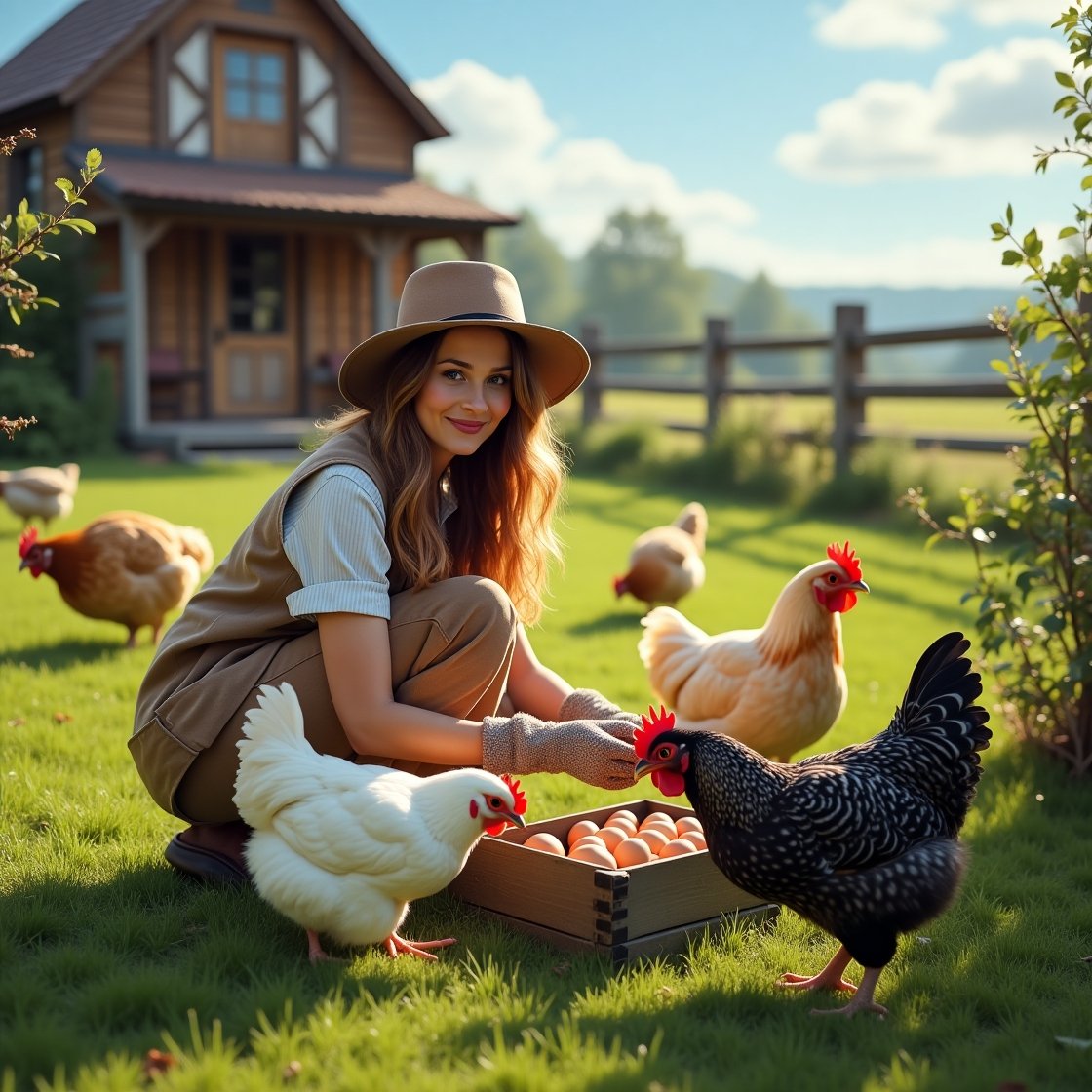
Raising chickens at a country house, sítio, or chácara is a rewarding experience that blends leisure, sustainability, and healthy food production. Whether you’re looking to gather fresh eggs daily, teach your children about responsibility, or simply enjoy the presence of animals in your backyard, creating a small free-range chicken system is a smart and satisfying step.
This comprehensive guide will walk you through how to plan, build, and care for a flock of free-range chickens in your rural space — in a way that’s simple, ethical, and fun.
1. Why Raise Chickens? The Benefits Go Beyond Eggs
People raise chickens in the countryside for several reasons:
- Fresh, chemical-free eggs daily
- Natural pest control (chickens love eating bugs!)
- Fertilizer from their manure for gardens and trees
- Educational opportunities for children
- A more self-sufficient lifestyle
- Peaceful, therapeutic interaction with animals
Plus, chickens are surprisingly entertaining — their behaviors and personalities add charm to your outdoor life.
2. Choose the Right Chicken Breed for Your Needs
Not all chickens are the same. Choose based on your climate, space, and goals.
Egg-laying breeds:
- Rhode Island Red – hardy and excellent egg production
- Leghorn – lays white eggs consistently
- Isa Brown – docile and prolific layers
Dual-purpose breeds (eggs + meat):
- Plymouth Rock
- Orpington
- Australorp
More ornamental or fun breeds:
- Silkies – fluffy, great for kids
- Polish – unique “hairdos” and docile
- Cochin – big and friendly
Choose docile and climate-adapted birds for a calm, productive flock.
3. How Many Chickens Should You Raise?
Start small. For beginners:
- 4–6 hens = enough for a family of 4–5 to get eggs every day
- Add a rooster only if you want fertilized eggs or chicks (they are not required for egg-laying)
More chickens = more responsibility. You can always expand after gaining confidence.
4. Build a Safe and Comfortable Coop
Chickens need a secure coop to sleep and lay eggs safely.
Key features:
- Roosts (perches) for sleeping
- Nest boxes (1 per 3 hens) with straw or wood shavings
- Ventilation without drafts
- Easy access for cleaning
- Wire fencing or mesh to protect from predators (dogs, foxes, snakes)
Recommended size: at least 0.3 m² per chicken inside the coop and 1–2 m² per chicken in the outdoor run.
You can use reclaimed wood or pallets to build a rustic, low-cost coop.
5. Let Them Roam: Free-Range the Right Way
Free-range chickens are healthier and happier.
Tips:
- Allow access to grass, insects, and sunlight
- Rotate pasture or use mobile coops to avoid overgrazing
- Provide shade and hiding spots with bushes or structures
- Protect from hawks or wild animals using netting or companion animals like dogs
Free-ranging reduces feed costs and enriches the chickens’ diet.
6. Feed Them Well: Nutrition and Natural Supplements
Chickens are omnivores and eat a wide variety of food.
Base diet:
- Quality commercial chicken feed (balanced for layers)
- Grains like corn, wheat, oats
- Vegetable scraps and garden waste
- Insects, worms, and grass (from free-ranging)
Supplements:
- Crushed eggshells or oyster shell for calcium
- Grit (small stones) to aid digestion
- Herbs like oregano and garlic for immune support
Avoid: salty, moldy, greasy, or sugary foods.
7. Water: Clean, Fresh, and Constant
Chickens drink a lot of water — especially in hot climates.
- Provide fresh water daily
- Use hanging or nipple waterers to reduce contamination
- Keep water containers in the shade and clean often
- Add apple cider vinegar occasionally to improve digestion
Dehydrated chickens stop laying eggs and become stressed — water is essential.
8. Keep the Coop Clean and Odor-Free
Good hygiene = healthy, odorless chickens.
- Clean bedding weekly (or daily in wet seasons)
- Scrape droppings from perches and corners
- Use deep litter method with straw or sawdust to reduce smell
- Add wood ash or herbs to dust baths for parasite control
- Remove uneaten food before it molds
A clean coop prevents disease and makes chores more pleasant.
9. Observe, Bond, and Enjoy the Process
Chickens are fun! Spend time watching and learning from them.
Signs of a happy chicken:
- Active scratching and foraging
- Clean feathers and bright eyes
- Regular egg-laying
- Dust bathing and socializing
You can even name them — children love caring for and interacting with chickens. Over time, you’ll learn their quirks and routines.
10. Use Chicken Manure in Your Garden
Chicken poop is gold for your plants — but must be handled properly.
Steps:
- Compost the manure for 2–3 months to avoid burning plants
- Mix with leaves or straw for a balanced compost
- Apply to fruit trees, garden beds, or raised beds
Never use raw manure directly on edible crops.
11. Dealing With Common Challenges
Predators:
- Lock the coop every night
- Bury wire mesh at least 30 cm underground
- Use motion-sensor lights or noisemakers
Illness:
- Isolate sick birds
- Keep food and water clean
- Use natural remedies like garlic or oregano oil
Behavior:
- Pecking or bullying? Provide more space, extra feeders, and toys (yes, chickens like them!).
12. Expand Your System Over Time
Once you’ve mastered the basics, grow your system:
- Incubate eggs or let a hen brood naturally
- Add a chicken tractor (mobile coop) for grazing rotation
- Sell extra eggs to neighbors or local markets
- Raise quail or ducks as companions or alternatives
Chickens can become a source of both joy and income.
Final Thoughts: Nature, Simplicity, and Self-Sufficiency
Raising chickens at your country house is a beautiful way to connect with the land, learn self-reliance, and enjoy a slower, more intentional lifestyle. With some planning, love, and consistency, your flock will reward you daily with eggs, fertilizer, laughter, and lessons in nature.
Start small, care well, and enjoy every step of the journey.