
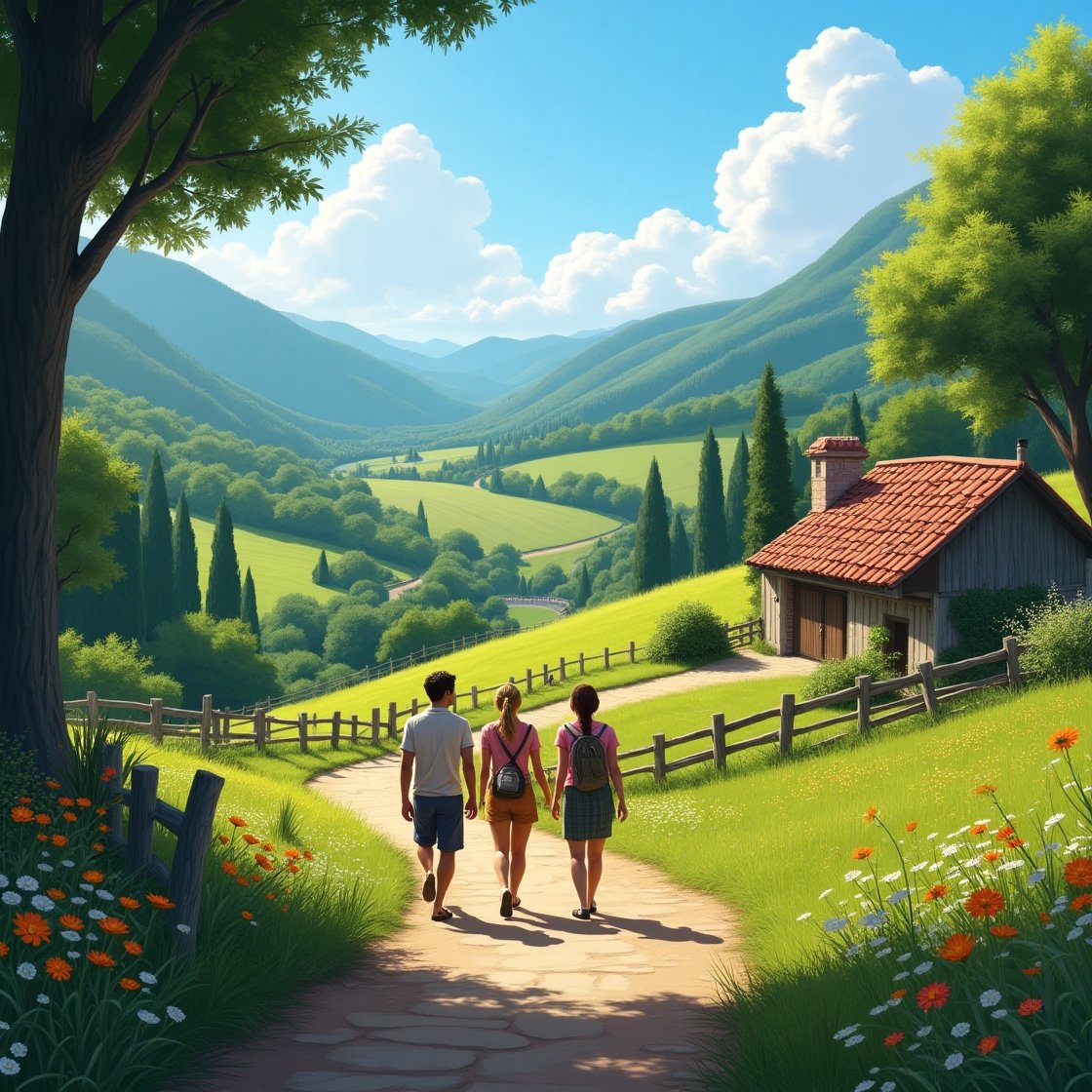
One of the greatest luxuries of owning a sítio or chácara is having direct access to the outdoors. Whether it’s a short morning walk or an extended weekend trail, nature-based activities like hiking and walking can improve your physical health, mental clarity, and emotional balance.
In this guide, we’ll explore how to create, maintain, and enjoy walking paths and natural trails on your rural property — turning your land into a space of well-being, adventure, and mindfulness.
1. Why Trails Matter: The Power of Walking in Nature
Walking in natural settings provides immense benefits:
- Reduces stress and anxiety
- Improves cardiovascular health
- Increases creativity and focus
- Enhances appreciation for your surroundings
- Encourages physical movement in a gentle, accessible way
- Provides quality family or solo time without screens or noise
Having walking paths in your sítio makes it easier to unplug and slow down.
2. Map the Land: Observe Before You Build
Before creating a trail, spend time exploring your property. Take notes about:
- Natural contours and elevation
- Sunlight and shade patterns
- Areas with beautiful views, rocks, creeks, or trees
- Slippery, muddy, or flood-prone zones
- Wildlife habitats to avoid disturbing
Use this to plan a low-impact trail that follows the land’s natural flow — respecting nature while enhancing access to it.
3. Choose the Right Type of Trail for Your Needs
You don’t need a massive network — even a simple 500-meter loop can transform your daily routine.
Trail types:
- Meditation loop: a short, quiet trail through trees or near a water feature.
- Exercise trail: longer path with inclines for cardio.
- Observation trail: slow-paced walk for birdwatching, photography, or botany.
- Children’s trail: safe, shaded path with interactive elements.
Decide whether you want a loop (start and end at the same spot) or a line (A to B). Design based on who will use the trail — kids, elderly, pets, etc.
4. Clear the Path Without Damaging the Land
Keep it simple. You’re creating access, not clearing a forest.
Steps:
- Mark the trail with biodegradable rope or paint
- Remove low-hanging branches, thorny plants, or fallen logs
- Level uneven ground with shovels or hoes
- Spread gravel, mulch, or wood chips in slippery areas
- Avoid wide clearings — keep the trail narrow to preserve habitat
For a rustic feel, leave small curves and uneven terrain. It adds to the natural experience.
5. Make It Safe and Comfortable
To ensure everyone enjoys the trail, add small safety and comfort features:
- Create benches or stumps every 100–200 meters
- Use natural stones or wood boards as stepping aids on muddy areas
- Install simple signage (arrows, distance markers)
- Place a map near the entrance
- Use rope rails or bamboo poles on slopes for support
The idea is not to urbanize, but to make the trail welcoming and non-intimidating.
6. Add Points of Interest Along the Way
Transform your trail into a journey by adding surprises or beauty along the route.
Ideas:
- Observation deck or platform overlooking a valley
- Wildflower patches or native plant markers
- A rock garden or small labyrinth
- Hammocks tied between trees
- A water station or cooler under a shaded spot
- Bird feeders or insect hotels to attract wildlife
Make it a place where people want to stop, look, and breathe.
7. Use Natural Materials for a Cohesive Look
Keep the design language in harmony with the environment:
- Logs or branches for trail edges
- Stone slabs or tree slice steps on inclines
- Recycled wood for signage
- Clay, bamboo, or earth walls for guiding curves
- Natural benches using large rocks or thick logs
Everything should feel like it belongs in the forest — not like it was imported from a city park.
8. Maintain the Trail Regularly
Nature evolves — so must your trail.
Maintenance tips:
- Inspect the trail monthly for fallen trees, erosion, or mud buildup
- Refill paths with mulch or gravel as needed
- Trim back fast-growing vegetation
- Repaint or replace faded signs
- Check for snake nests or animal holes near the trail edges
Set a seasonal task list — especially before and after the rainy season.
9. Turn It Into a Family or Community Activity
Get your family or local visitors involved:
- Organize trail clean-up weekends
- Let kids make DIY trail markers
- Invite friends for sunrise walks or moonlight strolls
- Host nature journaling or outdoor yoga sessions
- Create a guest trail logbook to share impressions
This creates a stronger connection to the land and strengthens relationships.
10. Connect the Trail to Other Leisure Spaces
Make the trail part of a broader outdoor experience. Connect it with:
- The vegetable garden
- A lake or water reservoir
- The orchard
- The barbecue area
- Your outdoor reading nook
- The chicken coop or animal shelters
This turns the trail into a functional system, not just a standalone walk.
11. Observe and Learn From Nature
As you walk the trail regularly, you’ll begin to notice:
- Bird migrations and song patterns
- Seasonal changes in leaf color and bloom
- Animal tracks and behaviors
- New mushrooms or plants emerging
- Changes in weather through the wind and soil
The trail becomes a classroom, a sanctuary, and a mirror for your own rhythms.
12. Extend the Experience Beyond the Walk
Walking is the beginning. Enhance the experience with other elements:
- Keep a journal or notebook to write your thoughts after each walk
- Set intentions or goals at the beginning of each trail (mindfulness practice)
- Create a playlist of instrumental music or nature sounds to accompany solo walks
- Offer guided tours for guests staying at your property
- Use trail time for problem-solving or idea generation
Soon, your trail becomes not just a place to move — but a place to think, dream, and grow.
Final Thoughts: Reconnect, Recharge, Rediscover
Creating walking paths and nature trails at your sítio or chácara is one of the most enriching ways to enjoy rural life. It requires minimal investment, honors the land, and provides daily moments of peace, connection, and discovery.
In a world full of noise and screens, walking in nature is a radical act of self-care. And now, with your own trail system in place, every step is a reminder: you are home, grounded, and part of something bigger.