
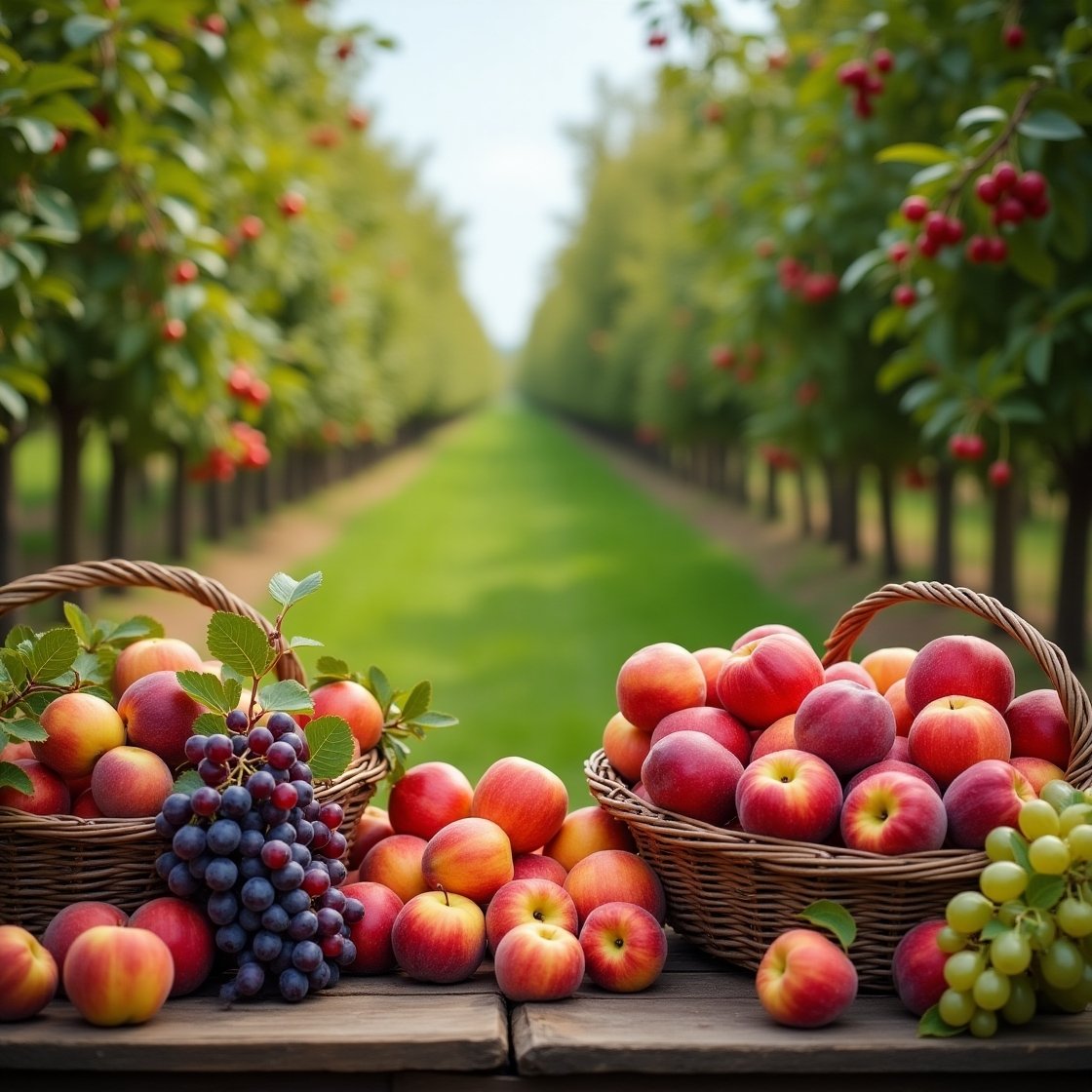
There’s nothing quite like picking a fresh fruit directly from your backyard. Creating a fruit orchard (or pomar) in your sítio or chácara adds long-term value to your land, improves your self-sufficiency, and creates a beautiful, functional space for your family and visitors.
Whether you want a small variety of trees or a diversified orchard with dozens of species, this article will guide you through planning, planting, maintaining, and beautifying your orchard in a sustainable and rewarding way.
1. Why You Should Have a Fruit Orchard in the Countryside
Besides the obvious joy of homegrown fruit, a pomar offers many additional benefits:
- Year-round harvests depending on variety
- Increased shade and biodiversity
- Reduced grocery costs and carbon footprint
- A scenic backdrop for your property
- A space for family bonding and learning
- Pollinator attraction (bees, butterflies)
An orchard is both a source of food and leisure, and it grows in value — literally — over time.
2. Planning Your Orchard: Start With Strategy
Before you plant, create a clear plan.
Questions to consider:
- What fruits do I want to grow?
- What is the climate zone of my region?
- How much space do I have available?
- Will it be purely productive or also aesthetic?
- Do I want to sell fruit, or just feed my family?
Make a sketch or map of your land with:
- Tree placement (respecting spacing)
- Sun exposure
- Irrigation access
- Windbreaks and shade zones
This planning stage is the foundation of success.
3. Choose the Right Fruit Trees for Your Region
Always select climate-appropriate varieties. Avoid importing species that don’t adapt well.
For warm/tropical climates:
- Mango
- Papaya
- Banana
- Guava
- Passionfruit
- Avocado
- Citrus (orange, lime, lemon)
For mild/temperate zones:
- Apple
- Pear
- Plum
- Cherry
- Fig
- Persimmon
- Grapes
Universal favorites:
- Mulberry (fast-growing and hardy)
- Pomegranate
- Jaboticaba (Brazilian native)
- Coconut (in coastal areas)
Include both fast-producing trees (e.g. papaya) and long-term trees (e.g. mango, fig).
4. Understand Proper Spacing and Layout
Don’t plant trees too close. They need room to grow, spread roots, and receive light.
Spacing guidelines (average):
- Small trees: 3–4 meters apart (e.g. citrus, guava)
- Medium trees: 5–6 meters (e.g. mango, avocado)
- Large trees: 8–10 meters (e.g. jackfruit, coconut)
Use compass directions when planning:
- Place taller trees to the south (in Southern Hemisphere) to avoid shading shorter ones
- Create paths or clearings for harvest access
Add flowering plants or herbs around trunks to help attract pollinators and repel pests.
5. Prepare the Soil and Plant Correctly
Healthy soil = strong trees.
Steps:
- Dig large holes (double the size of the root ball)
- Mix the soil with:
- Organic compost
- Aged manure
- Rock dust (for minerals)
- Crushed charcoal (biochar)
- Add a thin mulch layer after planting
- Water deeply after planting — and repeat 2–3 times a week for the first month
Use tree stakes if your area has strong winds.
6. Irrigation: Keep It Sustainable and Efficient
Your orchard needs water — especially in the first two years.
Solutions:
- Drip irrigation systems (low waste, very efficient)
- Buried hose systems (protects against evaporation)
- Rainwater harvesting tanks
- Mulch everywhere to retain soil moisture
Watering schedule:
- Young trees: 3x per week in dry season
- Mature trees: deep watering 1x per week
Water early in the morning or late afternoon to avoid stress.
7. Maintenance: Pruning, Feeding, and Pest Control
Caring for your orchard doesn’t have to be overwhelming.
Pruning:
- Remove dead or weak branches annually
- Shape for airflow and sun access
- Keep trees at manageable height for harvesting
Feeding:
- Apply compost and mulch every 3–4 months
- Use rock phosphate, bone meal, or worm castings
Natural pest control:
- Neem oil spray
- Garlic or chili pepper extract
- Plant basil, marigold, and citronella nearby
Avoid synthetic pesticides — they damage the long-term ecosystem.
8. Add Style and Comfort: Make It a Leisure Space
Why not make your orchard a place to rest and enjoy, not just work?
Ideas:
- Add a rustic bench or hammock between trees
- Build walking paths with gravel or mulch
- Place ceramic markers to identify each tree
- Add a picnic area or stone table under shade
- Hang solar lanterns for twilight charm
You’re not just growing food — you’re designing a natural sanctuary.
9. Involve Family and Make It Educational
Turn your orchard into a living classroom.
Activities:
- Have kids name and tag trees
- Create a fruit harvest calendar
- Track tree growth with photos
- Host a harvest day with friends and family
- Teach composting and pollination
This builds deep respect for nature in both adults and children.
10. Harvesting, Storage, and Enjoyment
Harvesting is the most rewarding part.
Tips:
- Use baskets or crates to collect ripe fruit gently
- Process surplus into jams, juices, or dried snacks
- Share fruit with neighbors or sell at local markets
- Make a fruit drying rack from wood mesh
- Store delicate fruits in cool, shaded places
Don’t forget to celebrate your first harvest — it’s a big milestone!
Final Thoughts: A Fruitful Future in Every Sense
Starting an orchard at your sítio is an act of patience, joy, and commitment to the land. With each passing season, your trees grow stronger — and so does your connection to nature.
Whether for sustenance, beauty, or legacy, planting fruit trees is a timeless gift to yourself, your family, and the earth. Start now, and in a few years, your orchard will be buzzing with life, color, and flavor.