
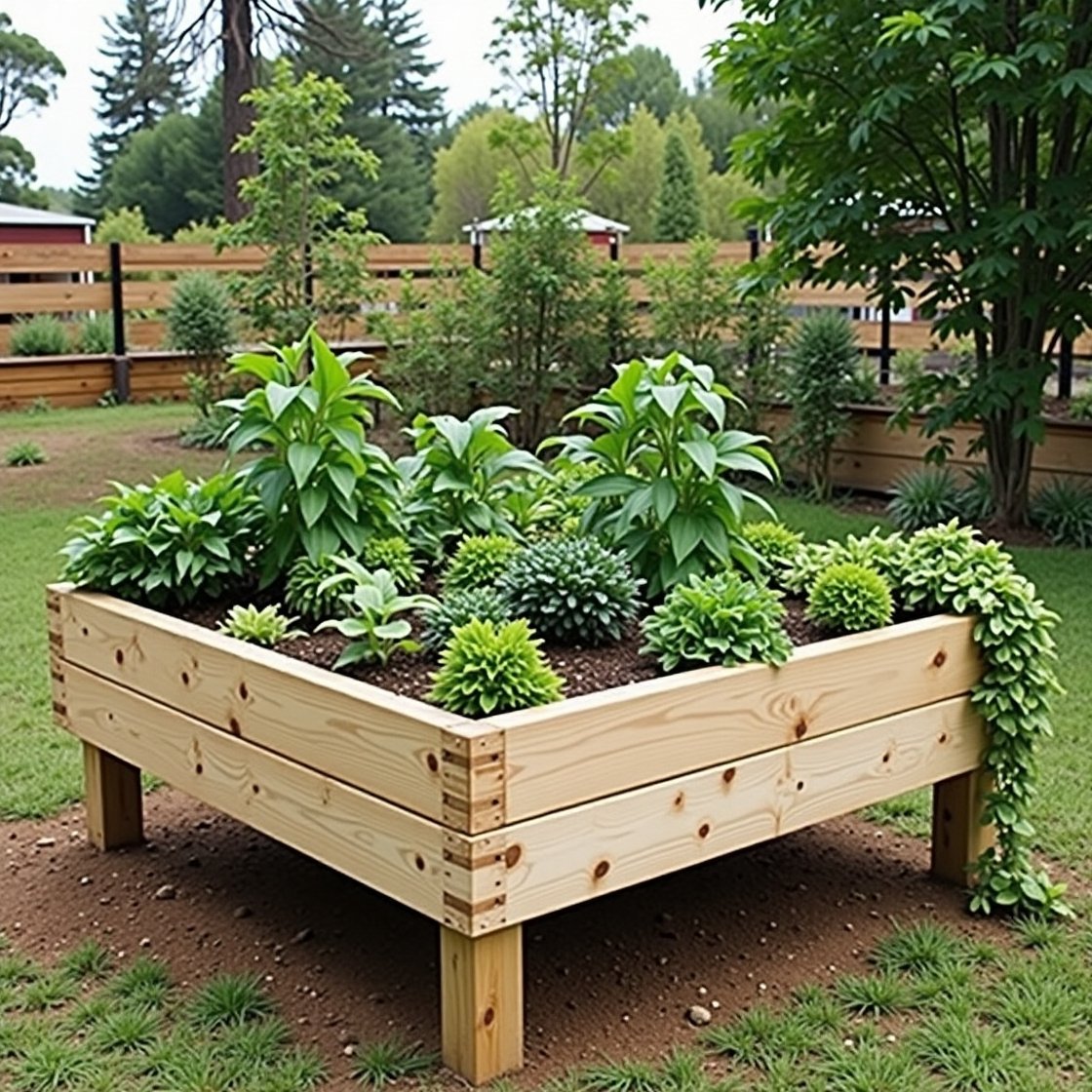
Growing your own vegetables is one of the most rewarding things you can do at your sítio or chácara. But bending over rows of plants or dealing with poor soil can be frustrating. That’s where the elevated organic garden comes in — a solution that’s ergonomic, productive, and beautiful.
In this comprehensive guide, you’ll learn how to create an elevated vegetable garden that brings you fresh food, daily satisfaction, and a closer connection to the land — all while looking great in your outdoor space.
1. Why Choose an Elevated Garden?
Elevated beds (also called raised beds or garden boxes) offer several advantages over traditional ground planting:
- Reduces strain on your back and knees
- Easier to control soil quality
- Better drainage and root health
- Natural barrier against pests like snails and ground insects
- Warmer soil for faster growth
- Looks more organized and aesthetic
They’re ideal for seniors, beginners, or anyone who wants clean, convenient cultivation.
2. Choose the Best Location for Your Garden
The right spot is essential for plant growth and your comfort.
Look for:
- At least 6 hours of sunlight per day
- Close to a water source
- Protection from strong winds
- Flat or slightly sloped ground with good drainage
- Convenient access from the kitchen or patio
If you plan to build multiple beds, leave enough space between them for walking and wheelbarrows.
3. Select the Size and Height of Your Bed
There’s no one-size-fits-all — adapt the structure to your space and needs.
Recommended sizes:
- Length: 1.2 to 2 meters (manageable for harvesting)
- Width: Max 1 meter (so you can reach the center from either side)
- Height:
- 30–40 cm for herbs and leafy greens
- 60–80 cm for ergonomic comfort and deeper roots
You can build one long bed or several smaller boxes depending on your layout.
4. Choose the Right Material for Structure
Your elevated bed must be durable, safe, and visually appealing.
Common materials:
- Treated wood (resistant and rustic)
- Recycled pallets (economical and eco-friendly)
- Bricks or concrete blocks (very durable)
- Galvanized steel (modern look and weather-resistant)
- Wattle (woven branches) for a charming rustic style
Avoid wood treated with toxic chemicals like creosote or CCA — especially for food-growing beds.
5. Build the Structure Step-by-Step
You can easily build your own bed using basic tools.
Instructions:
- Mark the area and level the ground
- Build the frame using screws or brackets
- Line the interior with landscape fabric (optional, for weed control)
- Add drainage layer (pebbles or crushed rock)
- Fill with high-quality organic soil mix
- Add mulch or compost on top
Optional: Attach a trellis for climbing plants like tomatoes, beans, or cucumbers.
6. Prepare the Soil for Organic Growth
Healthy soil = healthy plants.
Best soil mix:
- 40% compost
- 30% loamy garden soil
- 20% coconut coir or peat moss
- 10% perlite or sand for drainage
Enrich with:
- Worm castings
- Rock dust (for minerals)
- Crushed eggshells or bone meal
- Wood ash (in moderation)
Always avoid chemical fertilizers or pesticides to preserve true organic quality.
7. Choose the Right Crops for Elevated Beds
Raised beds are perfect for small and fast-growing plants.
Great choices:
- Lettuce, arugula, spinach
- Kale, mustard greens
- Tomatoes and cherry tomatoes
- Carrots and radishes
- Cucumbers and zucchinis
- Basil, parsley, cilantro, oregano
- Strawberries, spring onions, garlic
Group plants by light needs, water needs, and growth cycles for optimal results.
8. Create a Smart Watering System
Efficient watering keeps your garden thriving and low-maintenance.
Options:
- Drip irrigation (best for consistency)
- Soaker hoses
- Manual watering with a can or hose (daily or every other day)
- Install rain barrels to collect water sustainably
Water early in the morning or late in the afternoon to reduce evaporation.
9. Add Functional and Decorative Touches
Make your elevated garden not just productive, but also pleasant to be around.
Ideas:
- Label each plant with wooden signs
- Paint the garden bed to match your décor
- Place herbs in pots around the beds
- Add stepping stones or gravel paths
- Install a shade cover or small pergola nearby
- Use a bench or stool for comfort while working
Let the garden reflect your style — rustic, modern, minimalist, or romantic.
10. Maintain and Rotate for Long-Term Success
Keep your garden productive and balanced all year.
Tips:
- Rotate crops every season to prevent soil exhaustion
- Add new compost regularly
- Watch for pests and treat with natural sprays (neem oil, garlic, soap)
- Harvest regularly to encourage more growth
- Use companion planting (e.g., basil with tomatoes, carrots with onions)
In colder months, switch to leafy greens or root vegetables that prefer cool weather.
Final Thoughts: Grow Food, Grow Peace
An elevated organic garden is more than a box of dirt — it’s a statement. A daily reminder that you can nurture life, eat with intention, and live in harmony with the earth.
Whether you’re growing salad greens for dinner or simply tending to your herbs with care, your raised garden connects you to a slower, more grounded rhythm — one full of flavor, freshness, and fulfillment.